
Flow Like Water, Move Like a Car

Source: Ian Turnell
This Week in Game Development
I’m still working on The Last Humble-Bee!
Continuing on my blog from last week, I added one more enemy type to the game: the “Tank”.
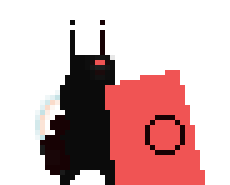
High Health, No Speed, Low Range, Directly Attack
This enemy type helps create a well-rounded suite of enemies to provide a variety to gameplay and introduce unique situations to the player.
I’m pumped, because now I have 5 enemy types:
Assassin (swarmer) - Low Health, High Speed, Low Range, Directly Attack
Sorcerer (near) - High Health, Low Speed, Low Range, Indirectly Attack
Spitter (far) - Low Health, No Speed, High Range, Indirectly Attack
Archer (far) - Low Health, No Speed, High Range, Directly Attack
Shielder (tank) - High Health, No Speed, Low Range, Directly Attack
And these 4 terrain types:
Flat
Gap
Ledge
Cover
As I mentioned last week, these archtypes were inspired by a series of articles by Mike Stout, an experienced designer who worked on the Ratchet & Clank, Resistance, and Skylanders franchises (link below). I’m combining enemy types and terrain types to create interesting setups for the player.
Further, as is outlined in An Architectural Approach to Level Design by Christopher W. Totten, I am balancing the amount of design elements in each level. For example, if I add a setup of tanks and archers to a cliff face, that can lead to some pretty intense gameplay! So I’ll add calm/relaxing/clearly-labeled paths to these setups. I believe this is a direct quote from his book, or maybe I’m paraphrasing, but Christopher Totten mentions that players should “Flow Like Water and Move Like a Car” through a level.
At first when I read this, I was confused. But after designing a few levels and creating paths for the player to walk, I think this is a great mindset to have when designing levels and engineering the player’s experience! When players control a character along your man-made path, they should feel as if they’re naturally flowing through the path to a destination. They may not know the destination, but they should be aware that at some point they’ll arrive. Meanwhile, they should feel empowered to move like a car on a highway. Proper signage and visual queues should give the player hints at where they are heading, while still maintaining the notion of player-controlled gameplay. By combining these elements, the player should naturally feel empowered to move through a level’s design elements and confident to decide their favorite path forward.
I’m glad that reading all those books and articles is paying off…
Till next time!
-Jacob
Note: As always, special shout out to Penusbmic for the enemy sprites above. They sell their art on itch.io in awesome asset packs that allow indie developers like me to purchase and use assets (and simply add their names to the credits of my game upon release).